-
This is how to keep your Bougainvillea vibrant and in full flower!

In this blog, we will discuss the essential care tips for a vibrant and popular flowering plant known for its stunning clusters of colorful bracts; we are talking about Bougainvillea. This plant is admired for its vigorous growth, spectacular flowers, and ability to brighten up any garden or terrace.
Proper care ensures that your Bougainvillea remains healthy, lush, and flowering profusely throughout the season.
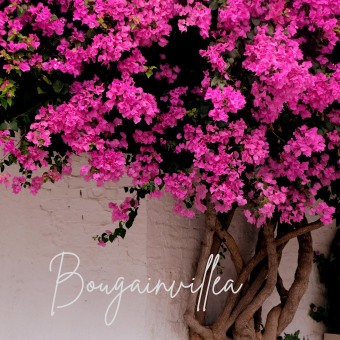
particularities of bougainvillea
The bougainvillea (Bougainvillea glabra or Bougainvillea spectabilis) is a tropical flowering shrub that is appreciated worldwide for its vibrant bracts and hardy nature. Bougainvillea is called "paper flower" because its bright, thin bracts resemble delicate sheets of colored paper. These papery bracts surround tiny, less noticeable flowers, giving the plant a vibrant, paper-like appearance. Here are some key characteristics:
- Native to South America, particularly Brazil, Peru, and Argentina.
- Can grow as a sprawling bush or trained as a vine on trellises, walls, or fences.
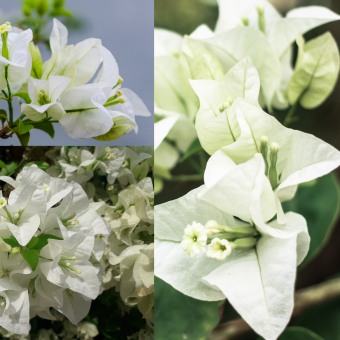
- Produces abundant, brightly coloured bracts in shades of pink, purple, red, orange, or white, surrounding small white flowers.
- Thrives in warm climates but can be grown in cooler areas with winter protection.
- Requires plenty of sunlight to bloom profusely and maintain vibrant colour.
- Highly drought-tolerant once established, making it ideal for xeriscaping or low-water gardens.
tips for caring for your bougainvillea
The bougainvillea is a hardy and visually stunning plant that can flourish with proper attention. In this care guide, we will cover light, watering, soil, and other important aspects to help your bougainvillea bloom brilliantly. Follow these recommendations to keep it healthy and vibrant.
light
Bougainvillea requires full sun to produce a profusion of colourful bracts. Aim for at least 6 hours of direct sunlight daily. The more sunlight it receives, the more flowers it will produce. Position it in a sunny spot, such as a south-facing terrace or garden, to maximise flowering potential. Insufficient light can lead to fewer blooms and leggy growth.
temperature and humidity
Ideal temperatures for bougainvillea are between 20°C and 30°C. It prefers warm, frost-free environments; exposure to frost can damage or kill the plant. If you live in a cooler climate, grow it in containers and bring it indoors during winter. Regarding humidity, bougainvillea tolerates dry air but appreciates occasional watering and good air circulation to prevent fungal issues.
watering
Water deeply but infrequently. Allow the soil to dry out completely between watering sessions. During the active growing season (spring and summer), watering every 3 or 4 days might be sufficient, but in very hot or dry weather conditions, you may need to increase the frequency slightly, especially when you have the Bougainvillea in a non-natural material pot. The sun will heat up the soil and moisture will evaporate very quickly during the hot summer day. Be cautious not to overwater, as this can cause root rot and reduce flowering.
Reduce watering in winter, as the plant enters dormancy. Be cautious not to overwater, as this can cause root rot and reduce flowering. 1 time a week or 1 time every two weeks can be enough, depending on the conditions your paper flower lives.
soil
Use well-draining soil that is rich in organic matter. A mixture of garden soil, sand, and perlite or pumice works well. Good drainage is essential to prevent waterlogging, which can lead to root rot. If growing in containers, ensure the pot has drainage holes and consider adding gravel at the bottom for extra drainage.
fertiliser
Feed your bougainvillea with a balanced fertiliser high in phosphorus, which encourages flowering. Apply a liquid fertiliser every 4-6 weeks during the spring and summer. Reduce feeding in autumn and winter. Avoid excess nitrogen, which can promote lush foliage at the expense of flowers.
pruning
Prune regularly to maintain shape and encourage new flowering growth. Remove dead, damaged, or weak branches, and shape the plant to your desired form. Pruning after the flowering period helps to promote vigorous growth and more blooms in the next season. Be careful not to prune excessively during the flowering period to avoid losing buds.
problems that the bougainvillea may face
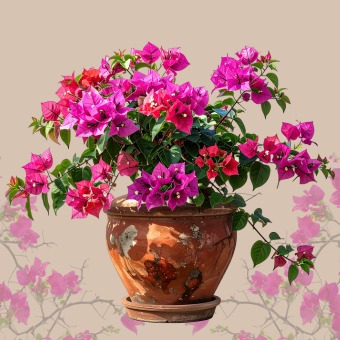
Although hardy, the bougainvillea can encounter some issues if not properly cared for:
fewer flowers or no flowering
This may be caused by insufficient sunlight, overwatering, or excessive nitrogen fertiliser. Ensure it is in full sun, watering appropriately, and use fertiliser high in phosphorus.
yellowing or leaf drop
Often due to overwatering or poor drainage, leading to root rot. Check watering habits and improve drainage if necessary.
pests such as aphids, scale insects, or caterpillars
Regularly inspect the plant and treat infestations with insecticidal soap or neem oil. Remove heavily infested parts.
10 tips for your bougainvillea
- Place the plant in full sun for at least 6 hours a day.
- Water deeply but infrequently, allowing the soil to dry between watering sessions.
- Use well-draining soil to prevent waterlogging.
- Feed with a phosphorus-rich fertiliser during the growing season.
- Prune to maintain shape and encourage flowering after each bloom cycle.
- Protect from frost by bringing potted plants indoors or covering outdoor ones during cold nights.
- Avoid excessive nitrogen fertiliser to promote more flowers and less foliage growth.
- Remove dead or damaged branches to keep the plant healthy and attractive.
- Regularly check for pests and treat infestations promptly.
- Enjoy the vibrant colours and add support or trellises for climbing varieties.
Find your bougainvillea on our website!
On our website, florespana.es, you will find a wide selection of bougainvillea varieties perfect for gardens, terraces, or containers. We also offer tips, fertilisers, supports, and care accessories to help your plant flourish. Visit us today and discover the beauty of bougainvillea!
No comments found.