-
Everything you need to make your Pachira Aquatica look stunning

Have you bought or are about to buy a Pachira and want to know how to care for it? The Pachira, also known as the Money Tree, is a perfect choice for those seeking an elegant, low-maintenance plant that adds an exotic touch to any space. Its tree-like shape and large, palmate leaves make it an excellent option for decorating both indoors and outdoors. Additionally, this species is very easy to care for, as long as some basic guidelines regarding light, watering, and soil are followed.
In this article, we explain everything you need to know to keep your Pachira healthy and beautiful, from its main characteristics to specific care requirements at each stage of its growth. We also provide useful tips on how to transplant, prune, and which varieties are most recommended for decorating your home. If you want your Pachira to grow strong and full of life, don't miss our recommendations.
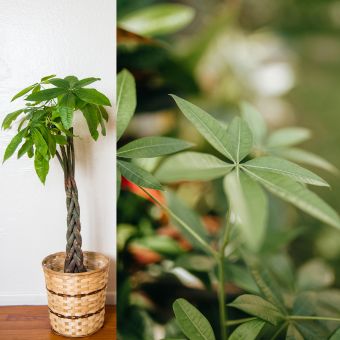
particularities of the Pachira
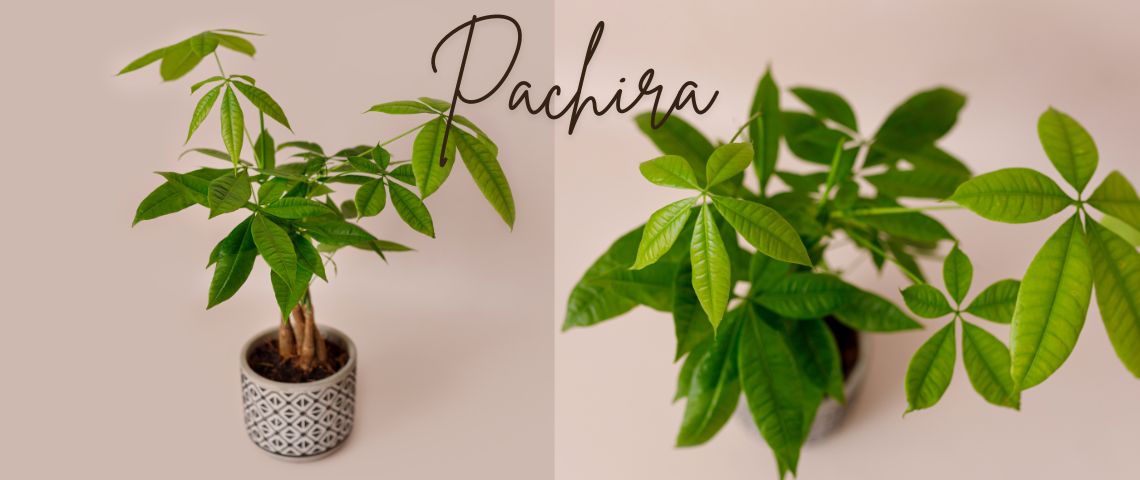
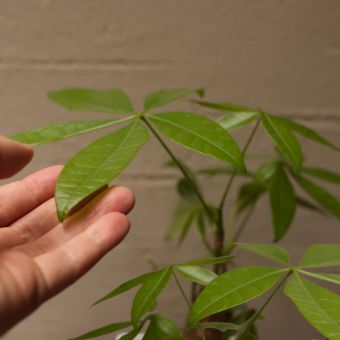
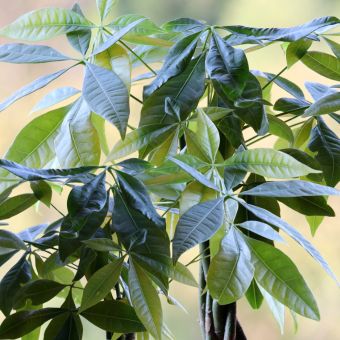
The Pachira aquatica (Pachira aquatic), also known as the Money Tree or Guayana chestnut, is an indoor plant native to Central America and the Caribbean. It is characterized by its large, shiny, palmate leaves that give it an exotic and elegant look. It is highly valued for decorating indoor and outdoor spaces due to its resilience and its ability to attract positive energy and prosperity.
It can reach up to 6-10 feet indoors and grow even taller outdoors, depending on cultivation conditions and variety. There are different varieties of Pachira, some with smaller leaves or lighter/darker shades, and varying sizes. The most popular variety for indoors is Pachira aquatica, which combines durability with a tropical aesthetic. Other common varieties include:
our tips for caring for your Pachira
The Pachira is very easy to care for and perfect for those with little time or gardening experience. Below are basic guidelines to keep it in optimal condition and always looking spectacular.
light
Prefers bright, indirect light, but can tolerate low light conditions. Place it in a spot with good natural lighting, avoiding direct strong sunlight, which can burn its leaves.
temperature and humidity
The Pachira prefers temperatures between 15°C and 25°C, and should not exceed 30°C. It is resistant to dry environments but appreciates moderate humidity. It does not tolerate frost, so in cold areas, it should be protected or moved indoors during winter.
growing outdoors
In warm, tropical climates, it can grow outdoors, on terraces or gardens, with protection against frost and prolonged exposure to direct sunlight. In areas with temperatures below 9°C, it is advisable to keep it indoors to prevent cold damage.
watering
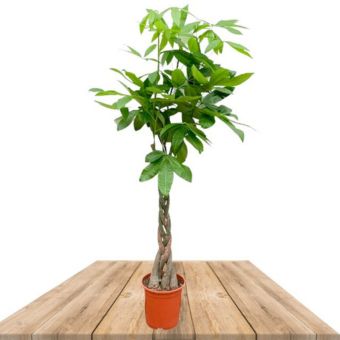
Although the name Aquatica suggests otherwise, this tropical tree stores water in its thick, intertwined trunk, so watering should be moderate. The soil can almost dry out between waterings. Water approximately every 7-10 days in summer, ensuring the top layer of soil is dry before watering again. In winter, you can reduce the frequency to every 15-20 days or according to your home conditions.
soil, substrate
Needs well-draining soil, with a universal substrate mixed with perlite. This helps prevent waterlogging. You can use soil specifically for green plants, tropical plants, or palms, as long as it provides good drainage and appropriate nutrients.
repotting
Transplant your Pachira every 2-3 years or when roots start to grow out of the drainage holes. Use a pot with good drainage and suitable soil for tropical plants or palms. Only the topsoil needs to be replaced during subsequent repottings.
pruning
Pruning your Pachira is simple. Just remove dead, damaged, or lower fronds to keep it clean and healthy. Excessive pruning isn't necessary, as its growth is relatively slow and compact.
fertilizer
Fertilize your Pachira every 2-3 months during spring and summer with a liquid fertilizer for tropical plants or palms. Use the recommended dose to avoid overfeeding, and suspend fertilizing in autumn and winter, as it enters dormancy.
common problems faced by the Pachira
Although the Pachira is a hardy and easy-to-care-for plant, it can develop some common issues. One of the most frequent is leaf drop, which is often related to sudden temperature changes or overwatering. Another problem is the appearance of pests such as scale insects or mites, which can affect its health if not managed promptly. Additionally, yellowing leaves may indicate that the plant is receiving too much direct sunlight or needs more water. Root rot is also a concern if the soil does not drain well, leading to decayed roots. Finally, slow or weak growth can be caused by a lack of nutrients or delayed repotting. Recognising these issues early helps to keep the Pachira healthy and vigorous.
10 Tips for your Pachira
- Place your Pachira in a spot with bright, indirect light for optimal growth.
- Water only when the soil is completely dry to prevent root rot.
- Avoid sudden temperature changes and drafts that can stress the plant.
- Fertilize in spring and summer every 2 months with a balanced fertilizer for tropical plants.
- Wipe the leaves with a damp cloth to remove dust and keep it looking healthy.
- Remove dead or damaged fronds to promote clean and tidy growth.
- Use well-draining soil, ideal for tropical plants and palms.
- Avoid moving the plant frequently to reduce stress.
- Transplant every 2-3 years or when roots require it.
- Periodically check for pests like scale insects or mites and act promptly if detected.
find your Pachira on our website!
Now that you have all the necessary information to care for your Pachira, don't hesitate to place your order on our website florespana.es, a nursery that guarantees the quality of all its species.
In addition to the Pachira, on our website, you can discover other tropical plants you might not know you'd love. Explore our catalog and check the descriptions of each plant to learn about their specific care requirements and ensure they grow healthy and strong.
No comments found.