-
7 reasons your houseplants keep dying (and how to save them!)

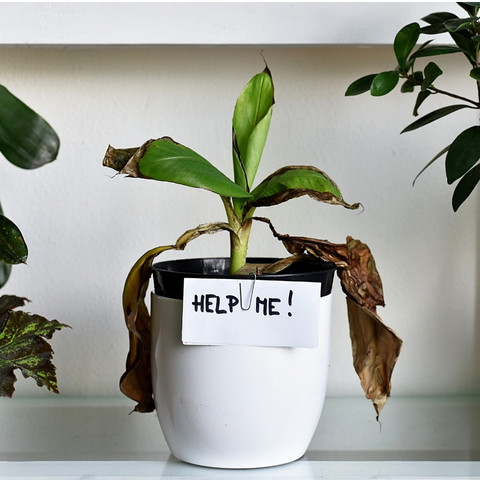
It’s happened to more than a few of us: you spot a beautiful plant at the garden centre, bring it home feeling delighted and already picture how lovely it will look by the window. But after a few weeks, the problems begin: leaves on the floor, brown tips and not a new shoot in sight. And there you are, staring at the pot and thinking: «But I’m looking after it… what more does it want?».
The good news is that there’s almost always an explanation — and you don’t need to have green fingers to find it. Sometimes all it takes is moving the plant, adjusting your watering routine or simply leaving it alone a little more. Here are seven common reasons why your houseplants might be struggling and how you can help them get back to looking their best.
The key is learning to recognise the signs and understanding what each plant actually needs. These are seven of the most common reasons why houseplants struggle, along with some simple changes that can help you get them back on track.
1. you’re overwatering
Overwatering is one of the most common causes of problems with houseplants. It’s easy to think that the more water we give them, the better they’ll grow, but constantly wet soil can leave the roots without enough oxygen. Over time, this can lead to root rot.
how can you fix it?
Don’t water your plants simply because it’s a particular day of the week. First, check the soil. Push your finger a few centimetres into the soil and check how moist it is. If it’s still damp, wait a little longer.
It’s also important that the pot has drainage holes so that excess water can escape.
2. your plant isn’t getting enough light
Light is essential for a plant to grow healthily. Even plants that are considered to be “low light” plants usually need some natural light (daylight) to stay in good condition.
If your plant starts growing too tall and leggy, produces smaller leaves, loses its colour or simply stops growing, it may not be getting enough light.
how can you fix it?
Move the plant closer to a bright window where it can receive plenty of indirect light. However, be careful with strong direct sunlight, as some plants can develop scorched leaves.
Plants that need lots of sun, such as cacti and many succulents, generally tolerate direct sunlight much better than tropical houseplants.
3. the pot or soil isn’t suitable
The pot and soil you use can make a big difference. Soil that is too heavy and compact can hold onto too much moisture and prevent the roots from getting enough air. On the other hand, a pot that is too small or soil that drains too quickly can cause the roots to dry out too soon.
Using a decorative container without drainage holes can also be a problem, as excess water has nowhere to go.
how can you fix it?
Choose a well-draining soil mix that suits your plant’s needs. Cacti and succulents generally prefer more open mixes containing mineral materials, while many tropical plants need a richer soil mix that still provides good drainage.
Whenever possible, use a pot with drainage holes. Another option is to keep your plant in its nursery pot and place it inside a decorative planter.

4. your plant is drying out
Although overwatering is a very common problem, underwatering (or not watering at all!) can also seriously affect a plant. If the soil remains completely dry for too long, the roots may struggle to absorb the water they need.
You may notice drooping leaves, dry brown edges, leaves falling off or even the soil pulling away from the sides of the pot.
how can you fix it?
Check the moisture level of the soil regularly rather than always following a fixed watering schedule. When your plant needs water, give it a thorough drink so that the entire root ball is moistened, and allow the excess water to drain away through the drainage holes.
Keep in mind that some plants prefer to dry out quite a bit between waterings, while others need their soil to remain slightly moist more consistently.
5. the humidity is too low
Many of the houseplants we have at home come from warm, humid environments, so they can struggle when the air in our homes is too dry.
This is particularly common during the winter months when the heating is on. Brown, crispy edges or tips on the leaves can sometimes be a sign that the air is too dry.
how can you fix it?
You can group several plants together to create a small microclimate with slightly higher humidity. If your home is particularly dry, a humidifier can also be a good option.
Plants such as ferns and calatheas often appreciate higher humidity, although it’s always important to take the specific needs of each species into account.
6. pests have moved in

Sometimes the problem isn’t the watering or the lighting. The problem is pests.
Spider mites, scale insects, thrips, mealybugs or fungus gnats can appear even on our houseplants. Some pests are easy to spot, while others hide underneath leaves or around the soil.
how can you fix it?
Get into the habit of checking your plants regularly, especially those you have recently brought home. Look underneath the leaves, around the stems and across the surface of the soil.
Sticky leaves, tiny insects, fine webbing, distorted new growth or small flies around the soil can all be signs of a pest problem.
If you spot any pests, separate the affected plant from the rest and use a suitable treatment. Consistency is important, as you will normally need to repeat the treatment several times to bring the infestation fully under control.
7. the temperature or location isn’t suitable
Plants can be quite sensitive to sudden changes in temperature. Cold draughts from windows or doors, radiators, heating, air conditioning and significant temperature changes can all cause stress.
A plant may be perfectly happy in one location and start showing problems after being moved somewhere with very different conditions.
how can you fix it?
Try to keep your houseplants away from cold draughts, radiators, heaters and direct streams of air from air conditioning.
It’s also worth paying attention to how much the temperature changes throughout the day and between the different seasons. A bright, comfortable spot with a relatively stable temperature is generally much more suitable than an area where the temperature constantly fluctuates.
our final thoughts
Houseplants don’t come with a universal care manual, and that’s part of the fun.

Every plant is different, and its watering, light, humidity and temperature needs can change depending on the season and where it is placed. Instead of always following a strict routine, take a few minutes to observe your plant and the conditions in which it is growing.
Is the soil staying wet for too long? Is it drying out too quickly? Is it getting enough light? Are the leaves showing signs of pests or stress?
Once you start paying attention to these small signs, looking after your plants becomes much easier.
And remember: even people who have been looking after plants for years lose one from time to time. It’s all part of learning what works best for you, your home and your plants.
houseplants delivered to your home
Want to fill your home with greenery? Discover our selection of houseplants online and find the perfect plant for your space.
No comments found.